lifesaving
Surf Lifesaver
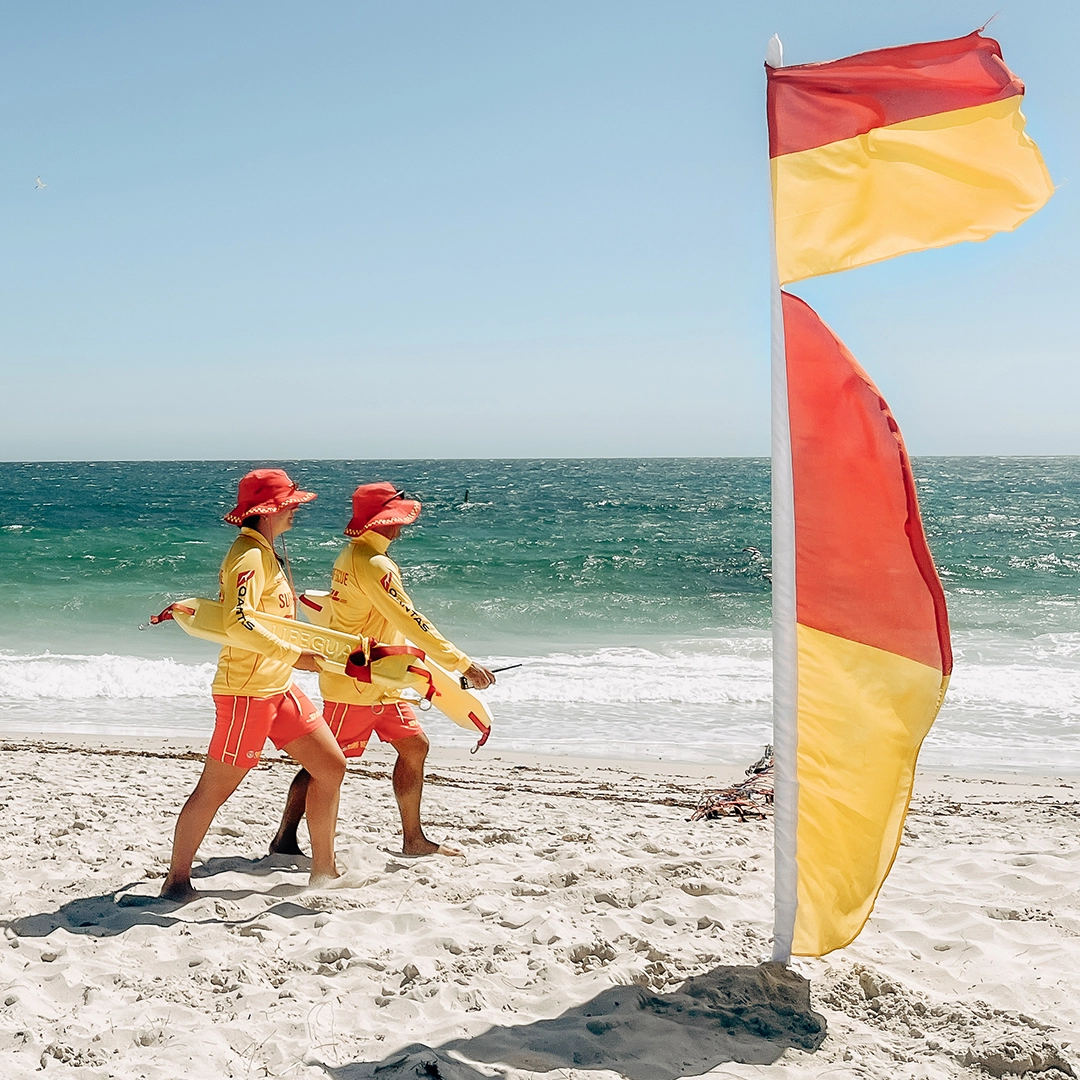
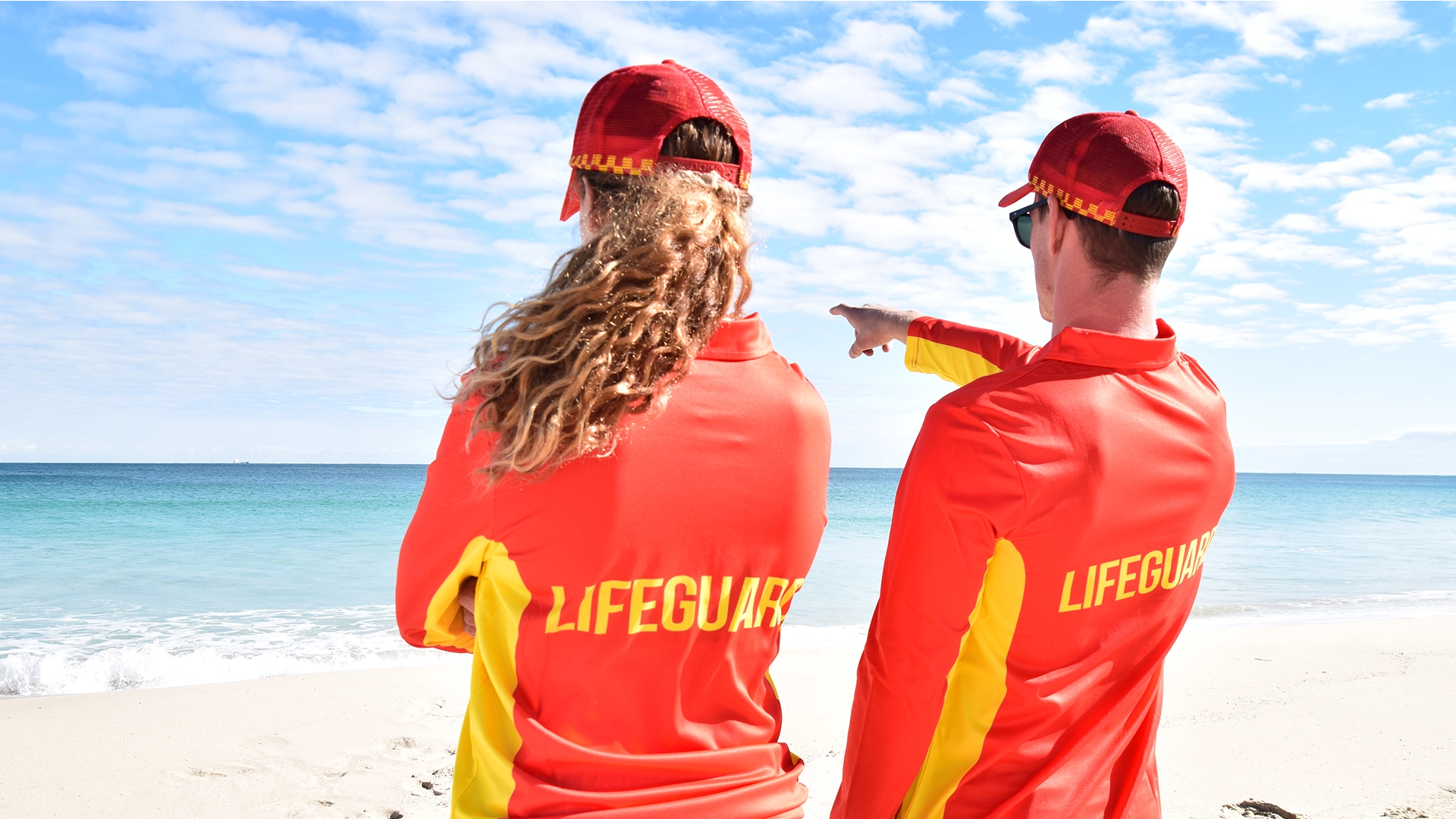
Across WA, more than 6,500 trained volunteer surf lifesavers dedicate their time to protecting and saving lives along our coastline. In WA, beaches are primarily patrolled between October and April each year, on weekends and public holidays.
Once you join your local club, you can undertake training to become a surf lifesaver. The Surf Rescue Certificate (SRC) is available to members aged 13+, while the Bronze Medallion is available to members aged 15+. For those who wish to continue their journey as a lifesaver, they can undertake further training, attain their Silver Medallion and become a Patrol Captain, and even their Gold Medallion, as well as training for additional roles such as IRB and Jet Ski drivers.
Lifesavers undertake a variety of roles on patrol, and not all roles, such as a Radio or Drone Operator, require you to get in the water!
- Protecting beach goers from dangerous conditions
- Performing first aid and emergency care
- Providing safety information to the public
- Roving patrols on foot, in the All-Terrain Vehicle (ATV) and in the water
- Surveying the beach from the patrol tower
If you’re interested in becoming a surf lifesaver, or upskilling to higher roles, speak with your club’s Director of Lifesaving.
inflatable Rescue Boat (IRB)
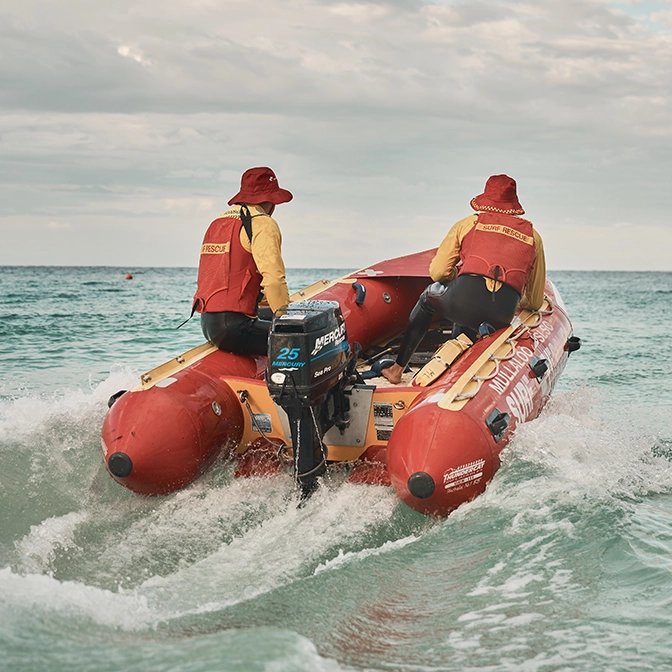
The IRB is a vital piece of lifesaving equipment, requiring two people to operate.
As the driver you are responsible for safely and efficiently negotiating the surf while driving the IRB and communicating effectively with the crew member to ensure the safe operation of the craft, the safety of your crew and patient/s.
As a crew member, you help in navigating, keep the boat balanced, and do most of the rescue work. Your job is to support the IRB driver and make sure everything runs smoothly.
It’s adrenaline, teamwork, and lifesaving all rolled into one unforgettable role—why watch from the beach when you can be in the thick of it?
If you’re interested in becoming an IRB Operator, speak to your club’s Director of Lifesaving.
Jet Ski
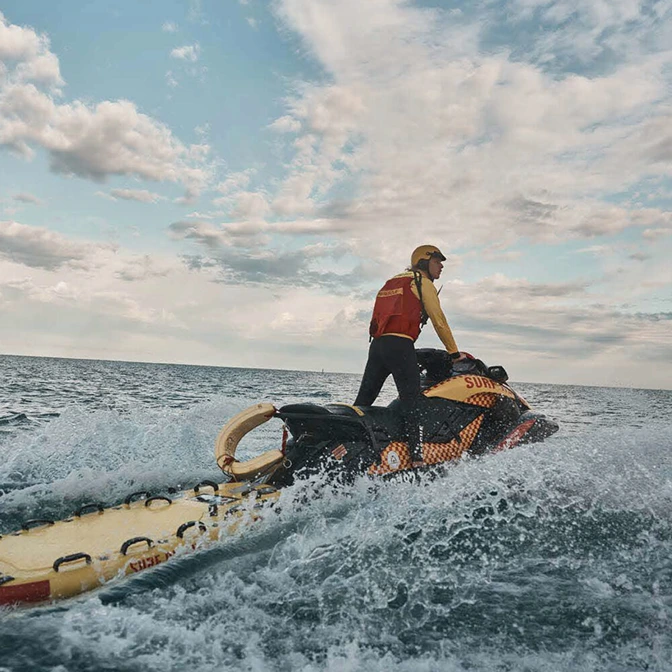
Jet skis, commonly referred to as Rescue Water Craft (RWC) are an integral element of club lifesaving services, the rapid response units assisting surf lifesaving beach patrols and other emergency response units.
Here in WA, 26 clubs across the state utilise jet ski patrols in their lifesaving operations. Our club-based Woodside Jet Ski Teams (opens in a new tab) works closely with on-beach lifesavers to conduct roving patrols, surveillance, and rescue missions along the coastline.
In addition to this, members of our Woodside Emergency Response Jet Ski Teams can be on call 24 hours a day, seven days a week, to be tasked by lifesaving services, WA Police, and other emergency service organisations to assist with rescues, searches, and body retrieval missions.
Jet ski operators undertake training and ongoing development to ensure that they have the skills and confidence to handle a powerful piece of rescue equipment in often challenging conditions, and operators become members of teams that function in a range of different capacities that align with their skills and experience.
If you’re interested in becoming a member of our Woodside Jet Ski Teams, speak to your club’s Director of Lifesaving.
Drone Patrol
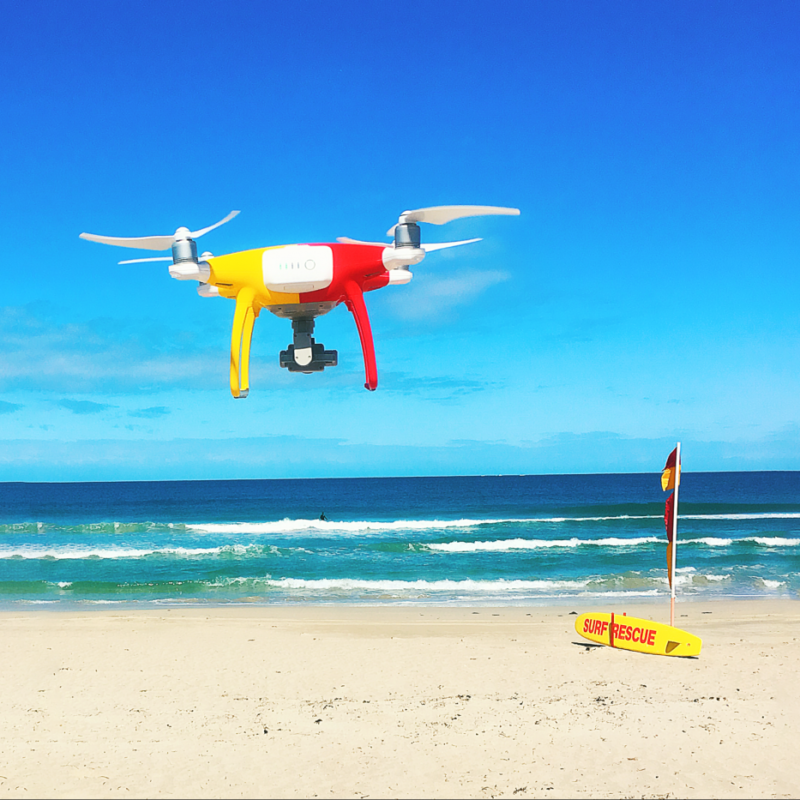
Drone Patrol has been operating at WA beaches since 2016, playing a crucial role in coastal safety and identifying emergencies on the coast, providing additional surveillance perspectives to our on-beach lifesavers. Through real-time monitoring, drones play an important role in helping spot hazards such as sharks and marine life, rip currents, and swimmers in distress.
Here in WA, 19 clubs across the state utilise drones in their lifesaving operations.
All operators are trained to a standard set of competencies and are easily recognised by wearing a yellow high visibility Drone Patrol vest and hat over the top of the standard lifesaver uniform. Our drones are also badged in our iconic red and yellow colours and launched from a cordoned-off area at the beach.
Members have opportunities to broaden their skill set by participating in drone operator training specific to Surf Life Saving WA operations.
If you’re interested in becoming a drone operator, speak to your club’s Director of Lifesaving.
Development Opportunities
For younger members interested in growing their lifesaving skills, we run a number of programs and camps each year through our Lifeguard Academy.
Delivered by our Training & Development and Lifesaving teams, our Nipper Lifeguard (U13, 1-day program), Youth Lifeguard (U14-U15, 2-day program), and Rookie Lifeguard (16-17 years, 5-day camp) Programs provide opportunities to develop skills and knowledge across the breadth of lifesaving and support operations activities.
Opportunities to participate in these activities are promoted via our social media channels and My Beach eNewsletter each season and generally fill very quickly!
employment Opportunities
For those with a passion for lifesaving and an interest in pursuing employment, there are number of opportunities for paid employment within the sector, with SLSWA recruiting throughout the year.
Lifeguards – becoming a lifeguard (opens in a new tab)with Surf Life Saving WA puts you on the frontline of coastal safety services within WA. We provide a variety of employment opportunities for prospective lifeguards including seasonal roles, which provide regular work (days and times) with part-time or full-time hours over a set period of time, and casual roles.
SurfCom Operations Controllers – Based out of our head office in Balcatta, our SurfCom Operations Controllers are responsible for coordinating and communicating SLSWA incident responses, ensuring lifesaving assets are effectively deployed and managed. You’ll also work closely with external emergency services as part of joint multi-agency operations.
Westpac Lifesaver Rescue Helicopter Service – with our metro and south west based helicopters operating from September to April each year, each season we recruit for limited opportunities to join our highly trained crew.
These employment opportunities are advertised on our website, and promoted across our social media channels and via our members My Beach eNewsletter.