Staying Safe At The Beach
rip currents
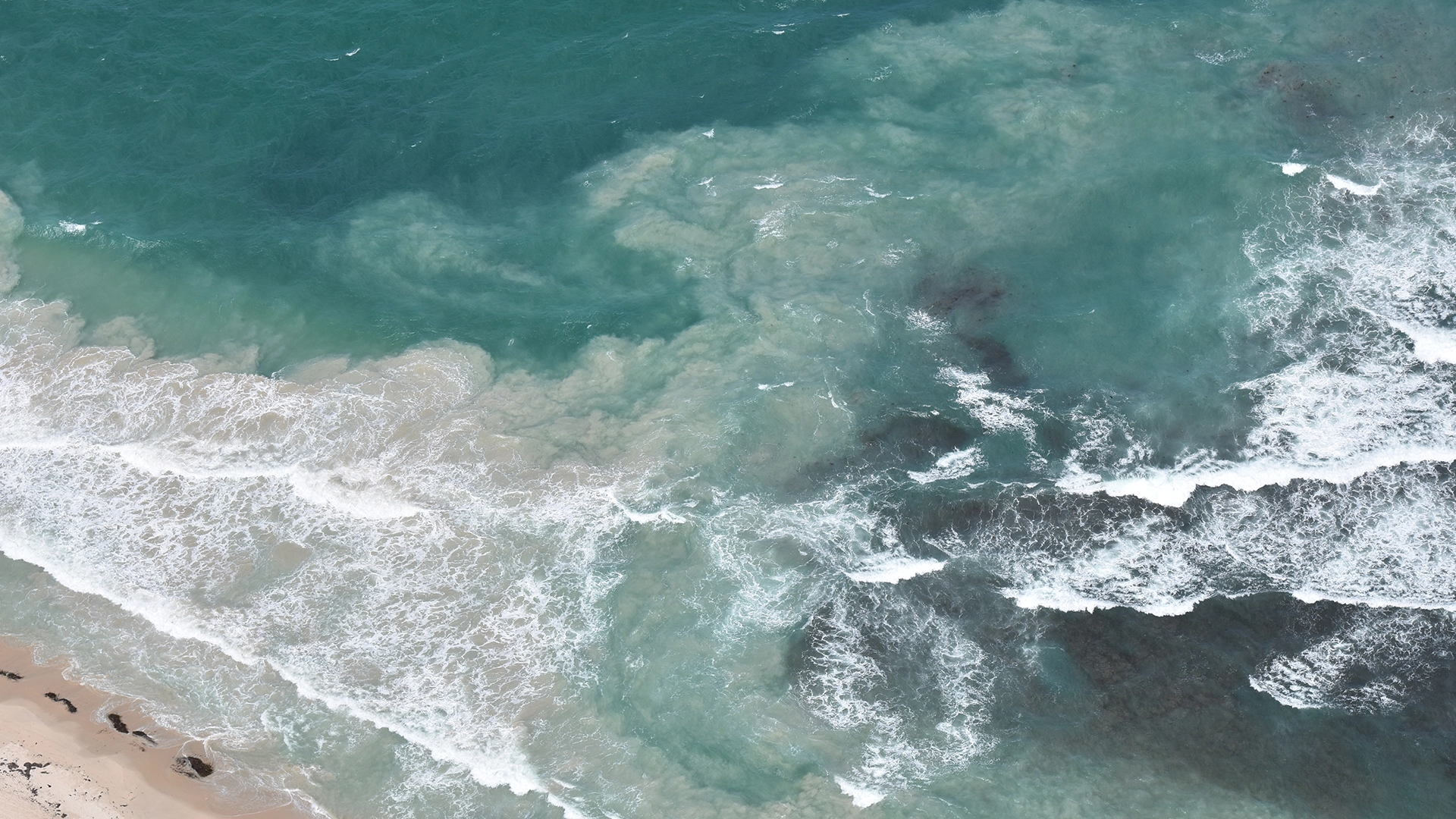
Rip currents are one of the greatest, and most common, hazards on Australian beaches. On average, rip currents are responsible for at least 21 drowning deaths in Australia each year. In addition, lifesavers and lifeguards perform countless rescues each and every year to assist swimmers who have been caught in rip currents.
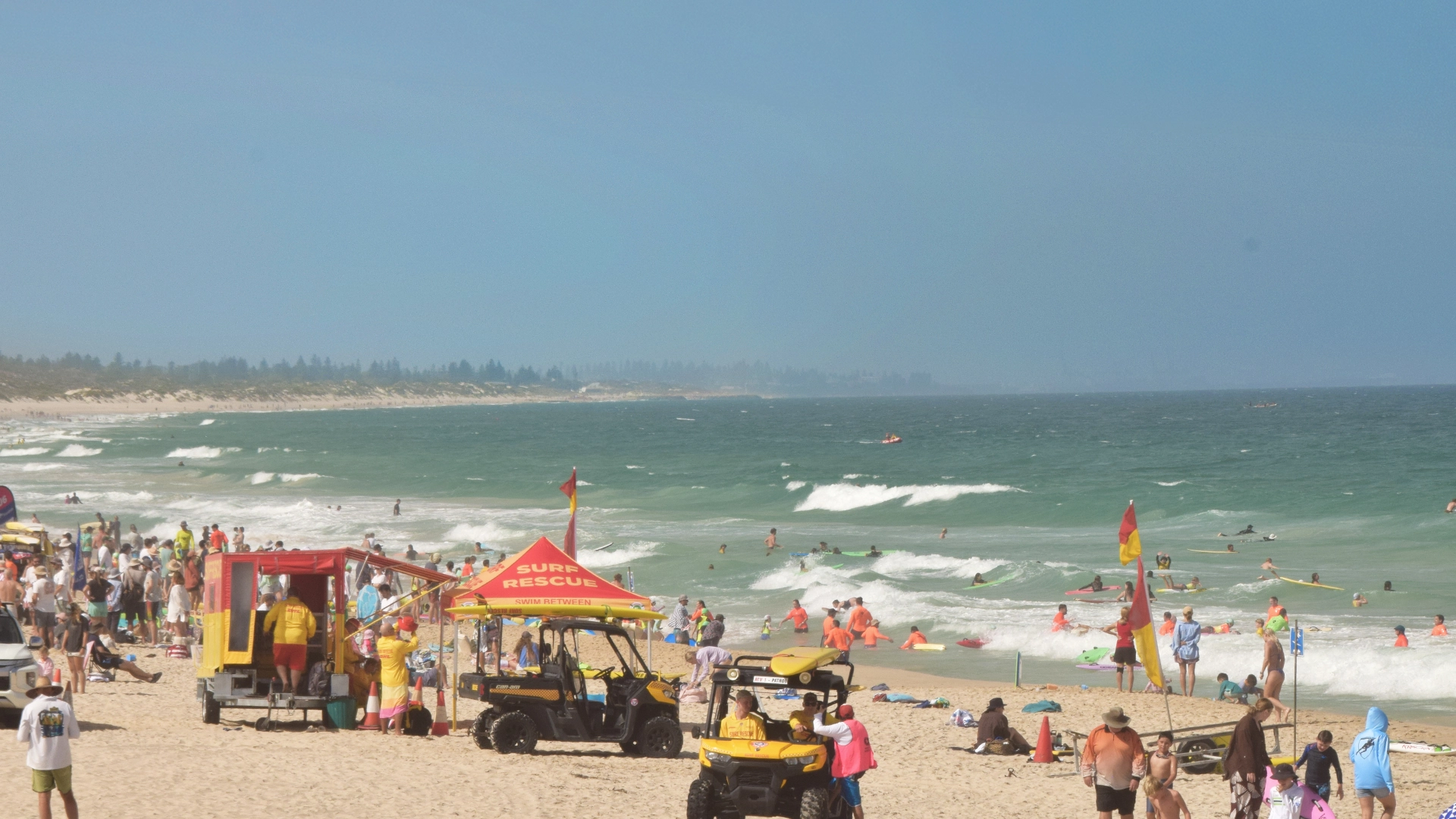
There are many myths about the ocean, but rips are the number one hazard on Australian beaches. Avoid rips by swimming at a patrolled beach between the red and yellow flags.
beach signage
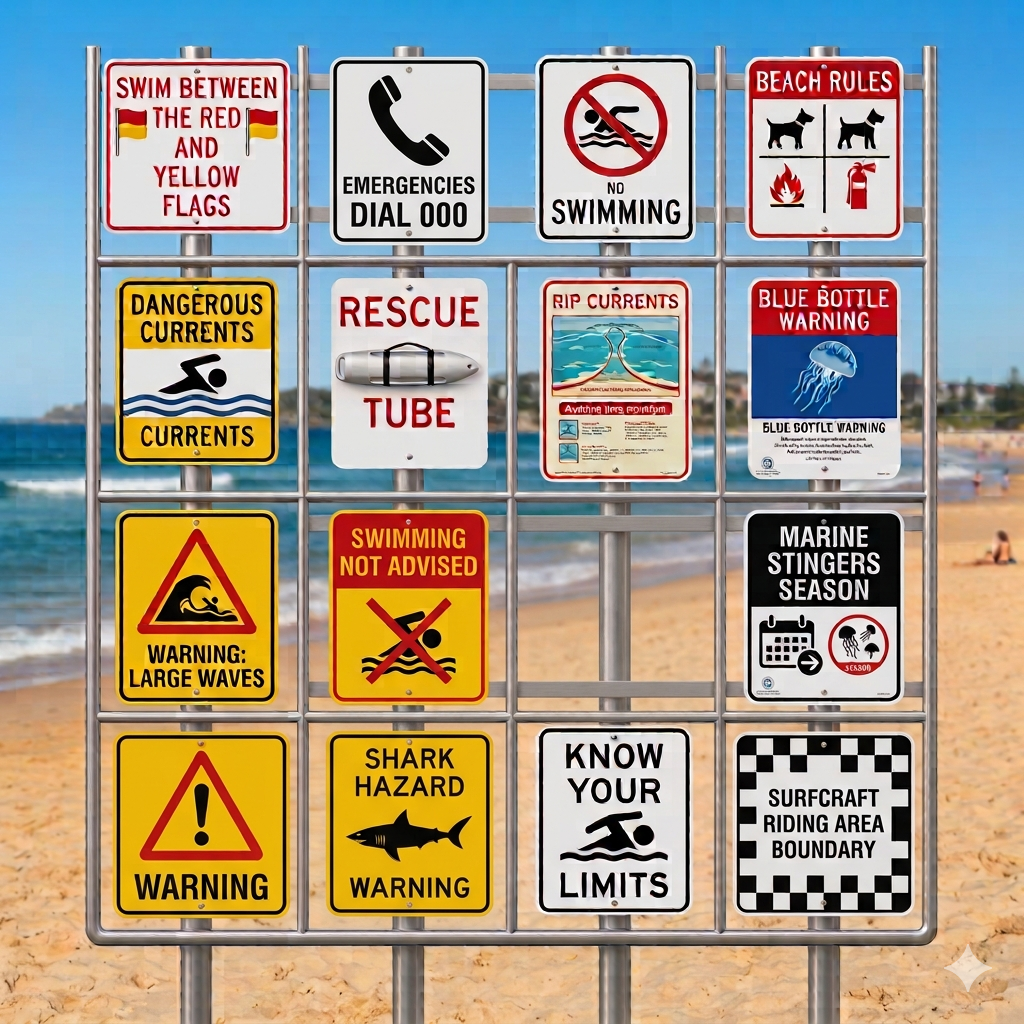
Safety signs are installed at our beaches to warn of hazards. Some of these signs are permanent, indicating long-term hazards, while others are put up each day by the lifesavers and lifeguards to show the hazards present that day at a specific location, such as rip currents, which can change location on different days.
When you arrive at the beach, be sure to read the safety signs. This will ensure you’re aware of any warnings or dangers. You can also find other helpful information to make your day at the beach more enjoyable. You might also find single signs placed on the beach to highlight specific warnings.
Here in Western Australia, we also have the important Beach Emergency Number (BEN) signs (opens in a new tab)! The BEN system is a unique coding system designed to improve emergency response times by installing signs with unique numbers at beach access points.
Find a patrolled beach
Taking a road trip up the coast? On holiday? Or just looking for the right beach for you? Find your nearest patrolled beach in seconds. The FREE Beachsafe app provides detailed information regarding beach patrols, facilities, and hazards to weather, swell and tide.
marine creatures
WA’s massive coastline is home to an incredible variety of ocean life, from playful mammals to highly venomous reef dwellers. Understanding these creatures can help you share the water safely with them. The best way to stay protected is to always swim between the red and yellow flags at a patrolled beach. It is also smart to keep a safe distance from local wildlife.
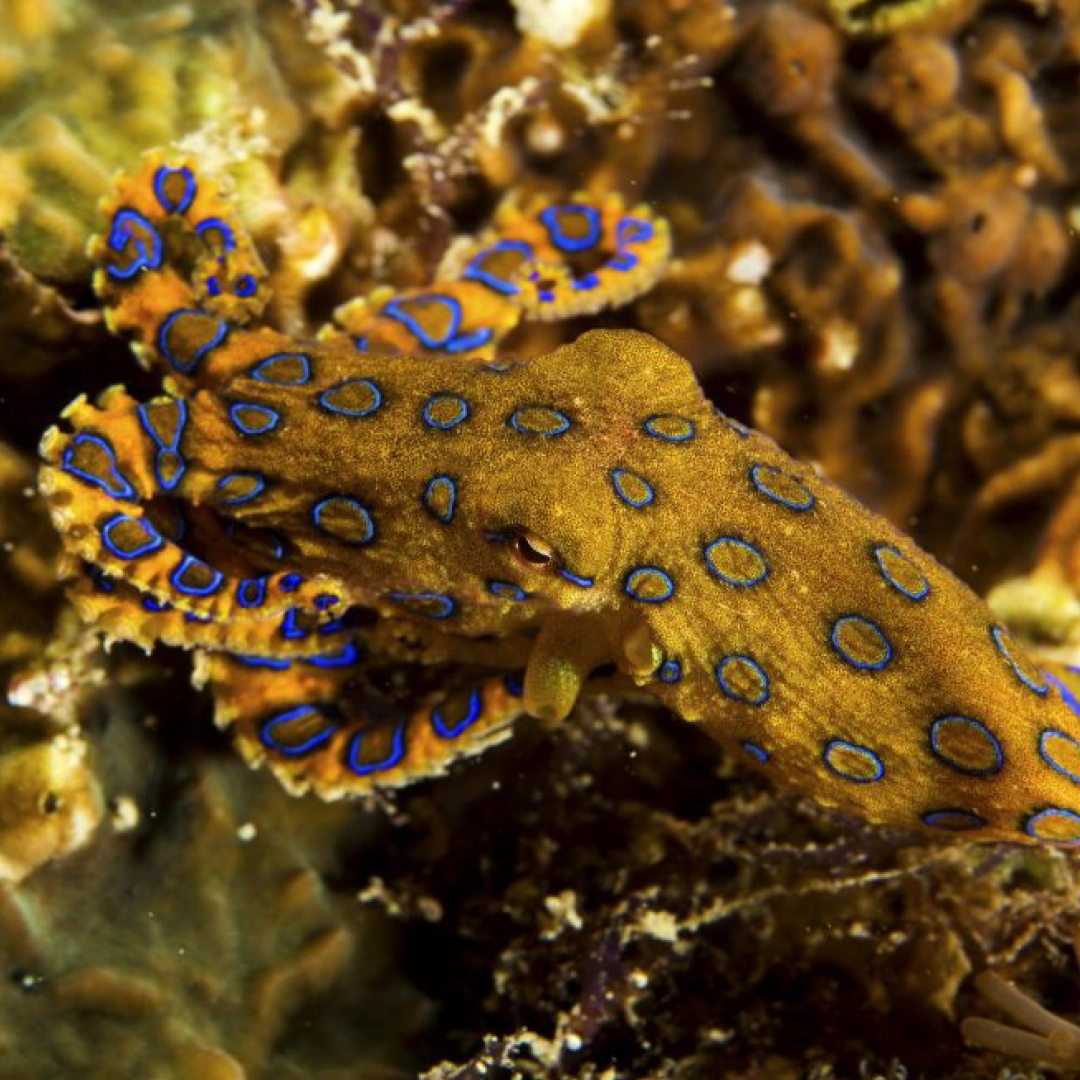
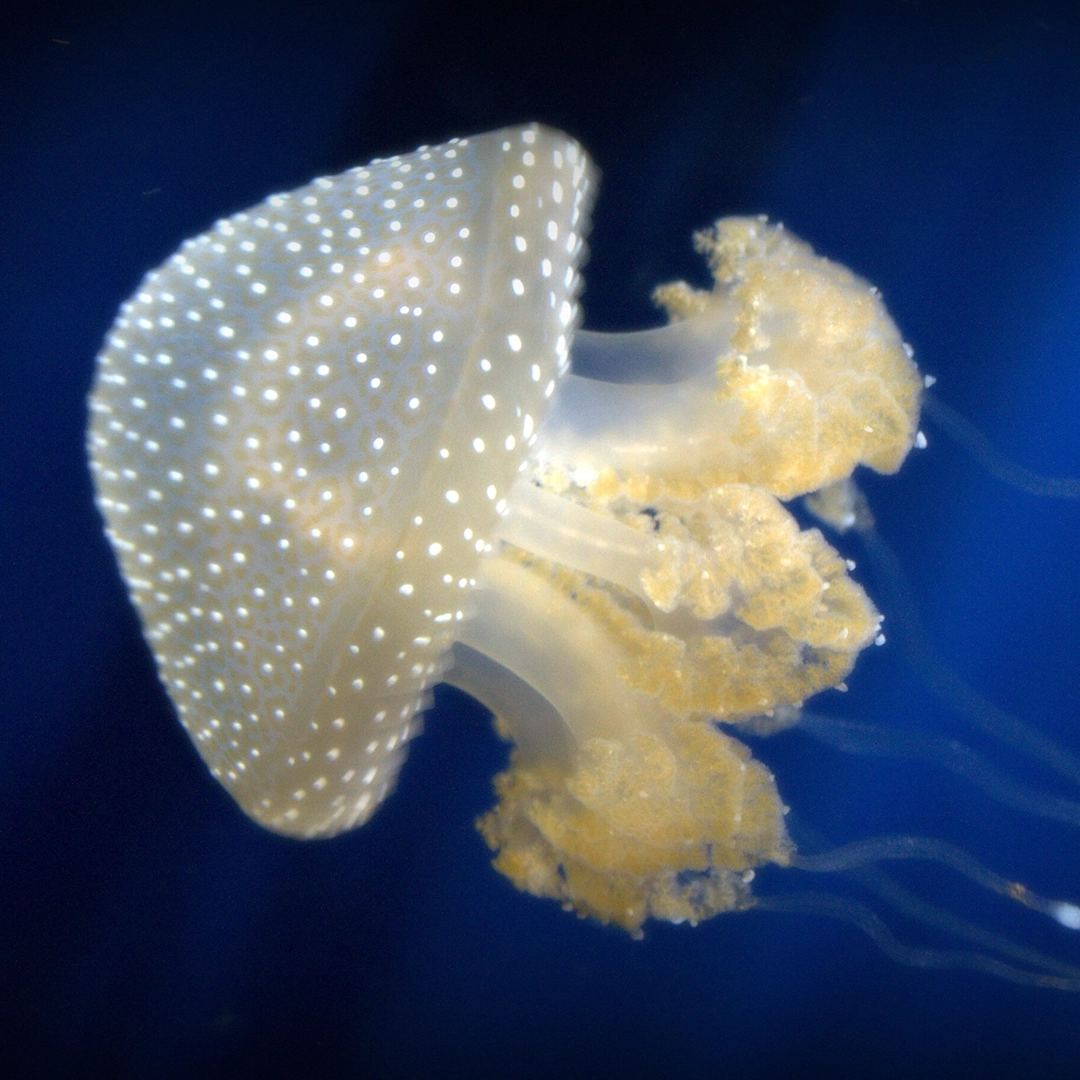
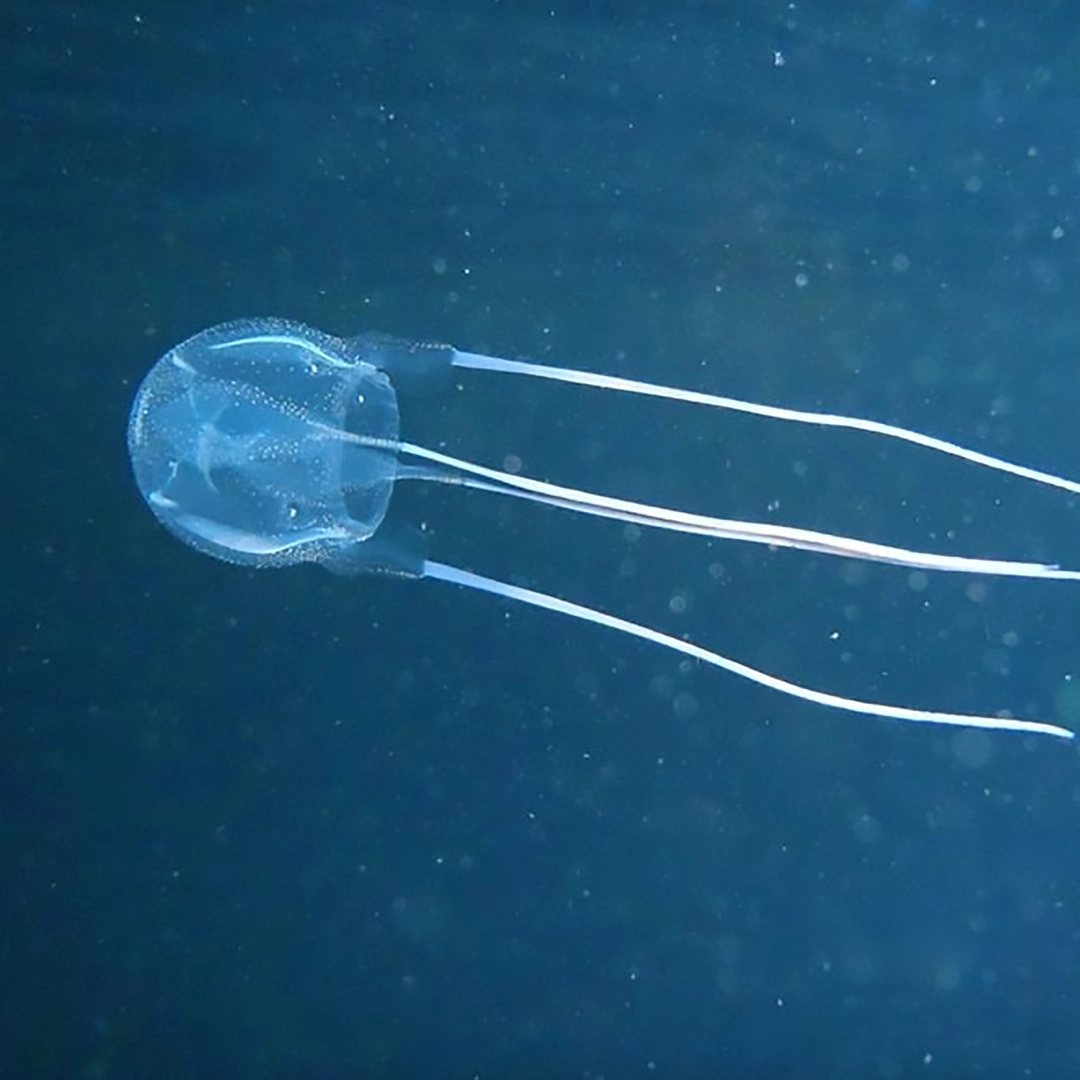
In WA’s rocky reef zones and rock pools, look closely but never touch, as beautifully camouflaged creatures like the deadly blue-ringed octopus can hide in plain sight. If you are swimming in the tropical waters of northern WA, you must check warning signs for dangerous box jellyfish and Irukandji stingers.
Often found near Jurien Bay and Rottnest Island, is the Australian Sea Lion. These rare mammals love to swim. You must keep a safe distance of at least 10 to 30 metres so they do not feel cornered.
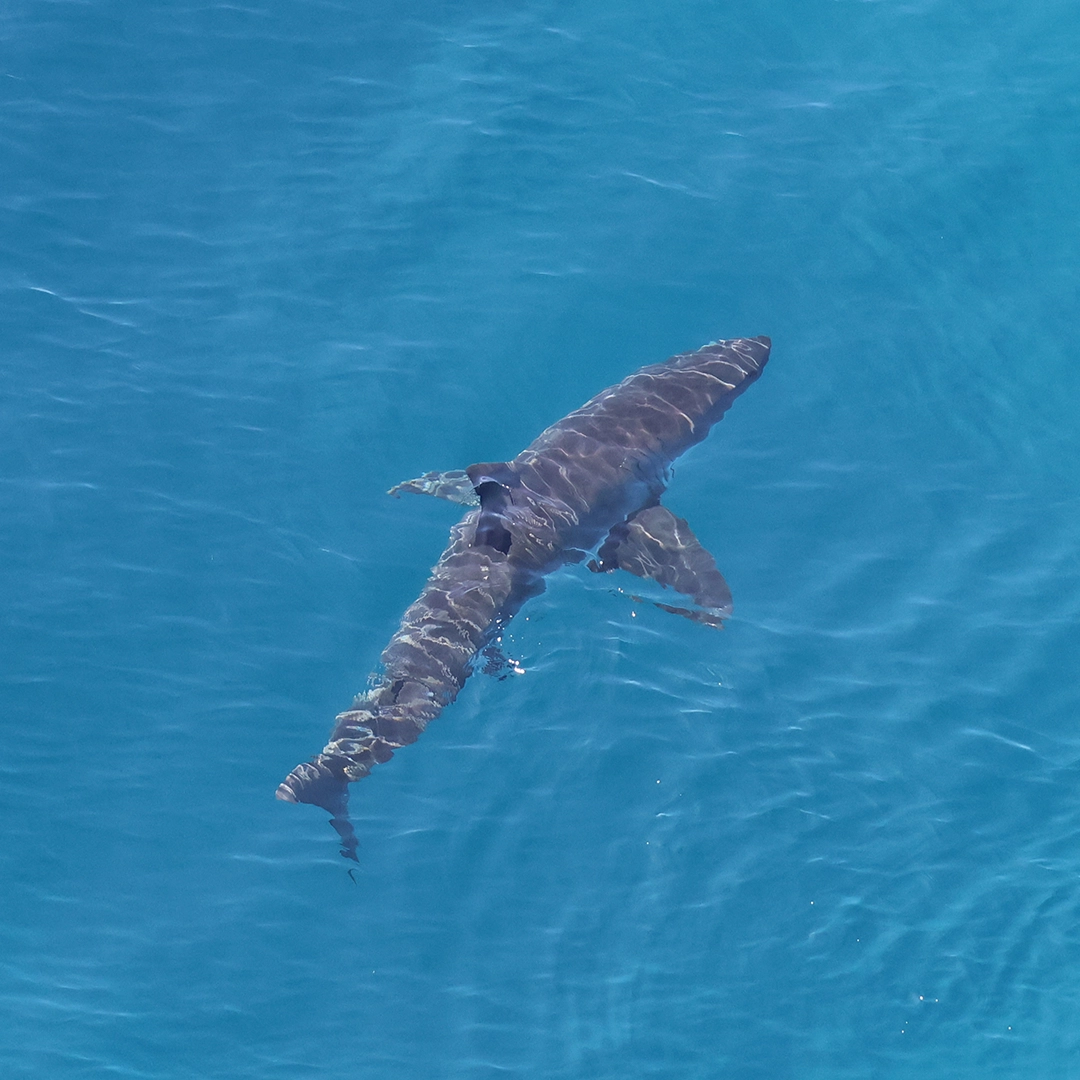
While shark encounters in Western Australia are rare, it’s always best to take some simple precautions. Check out further information on our Shark Safety (opens in a new tab) page.
LIFESAVERS' SAFETY TIPS
Everyone loves a day at the beach. But what we love even more is that you all go home safely afterwards!
Check out some helpful info and advice from our lifesavers to ensure you enjoy your visit to the beach and stay safe.
being sunsmart
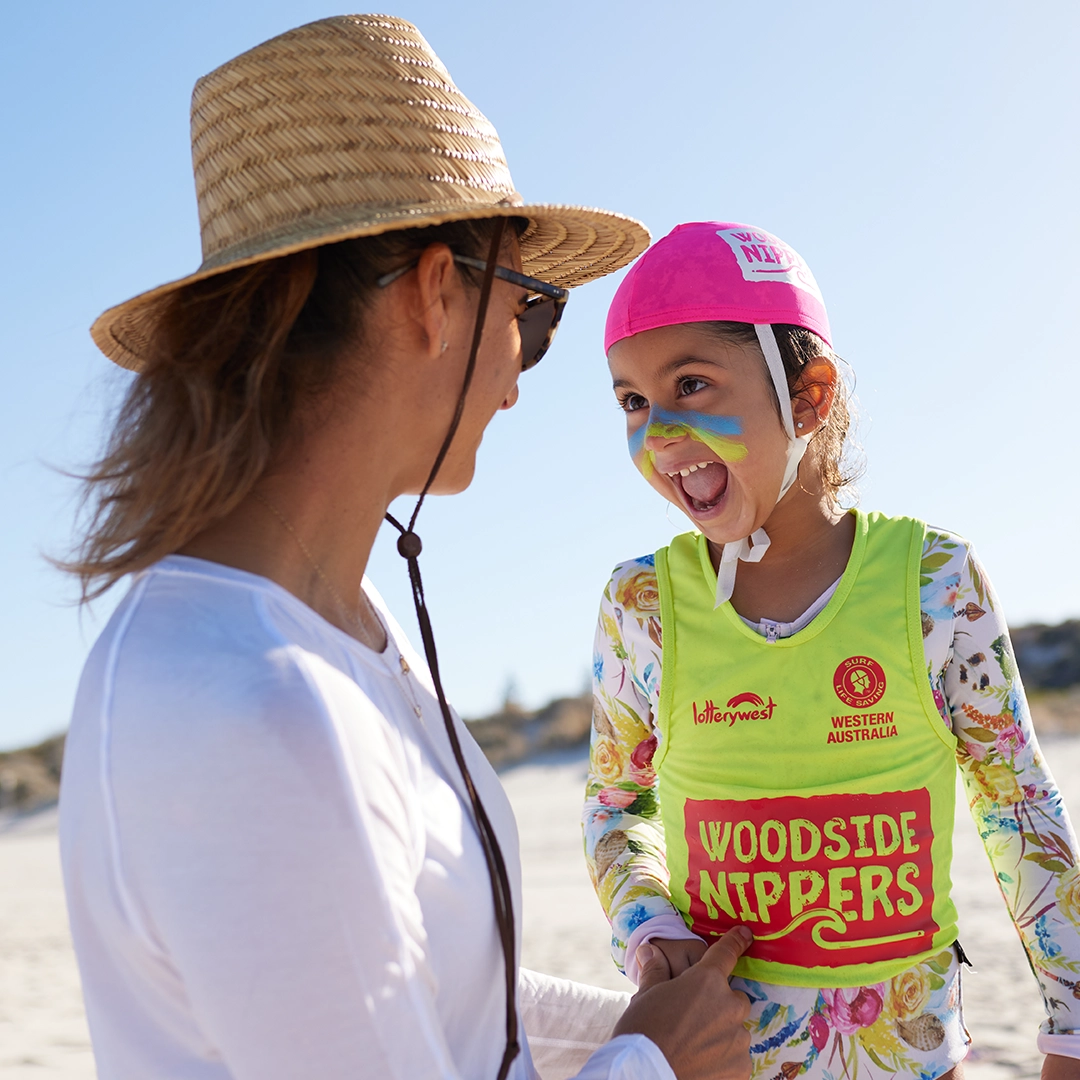
Spending time in the sun without the proper protection can be dangerous to our health. So we’ve got some handy info on how you can be SunSmart at the beach.
The UV Index is an international standard scale developed by the World Health Organization which measures the amount of UV radiation reaching the Earth’s surface. Put simply, it measures the sun’s UV intensity and tells you when it is safe to be in the sun unprotected. Sun protection is generally not needed when the UV Index is under 3.
Two in three Australians are diagnosed with some form of skin cancer before the age of 70. You can protect yourself in the following ways:
- SLIP on some clothing – Wear clothes that cover your skin as much as possible. Sun protective fabric with an Ultraviolet Protection Factor (UPF) rating of 50+ blocks more than 97.5% of UVA and UVB radiation and provides the highest level of protection.
- SLOP on sunscreen – Slop on SPF30 or higher sunscreen. Make sure it is broad-spectrum and water-resistant. Apply over all areas of exposed skin 20 minutes before sun exposure and reapply every two hours or more regularly if you have been swimming or sweating.
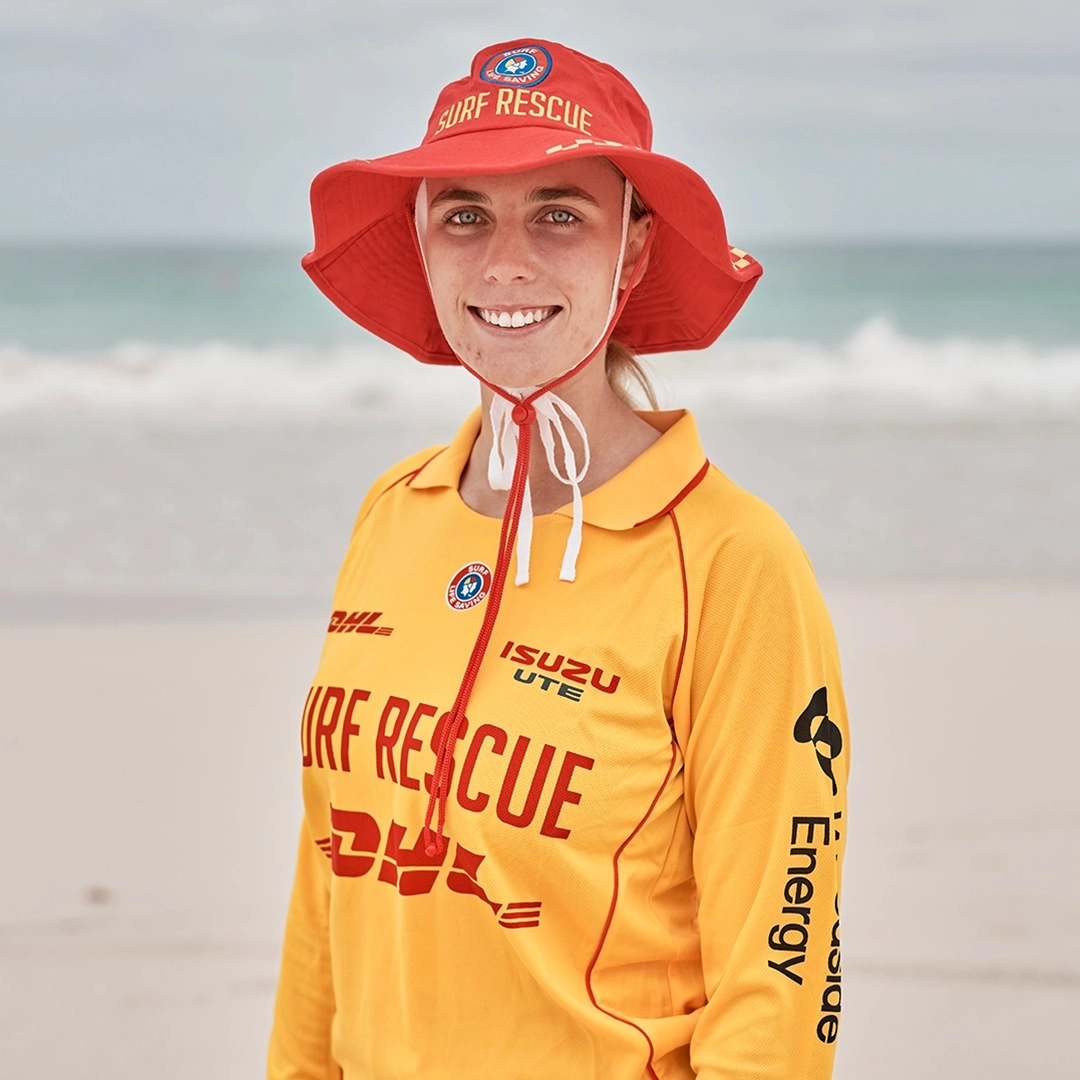
- SLAP on a hat – Choose a hat with a brim to provide protection for your face, back of the neck, eyes and ears – the most common areas affected by skin cancer. Caps are not SunSmart, as they do not keep enough sun off your head.
- SLIDE on some sunglasses – Long-term exposure to UV radiation can cause cataracts and cancers of the eye and surrounding skin. Always wear sunglasses that meet the Australian Standard.
- SEEK some shade – The sun’s UV rays are normally strongest in the middle of the day. Aim to seek shade whenever the UV index is 3 or higher. If you can’t stay in the shade, make sure your skin is protected in other ways.
PLAN AHEAD. STAY SAFE.
Check beach conditions, patrol times and hazards before you head out.