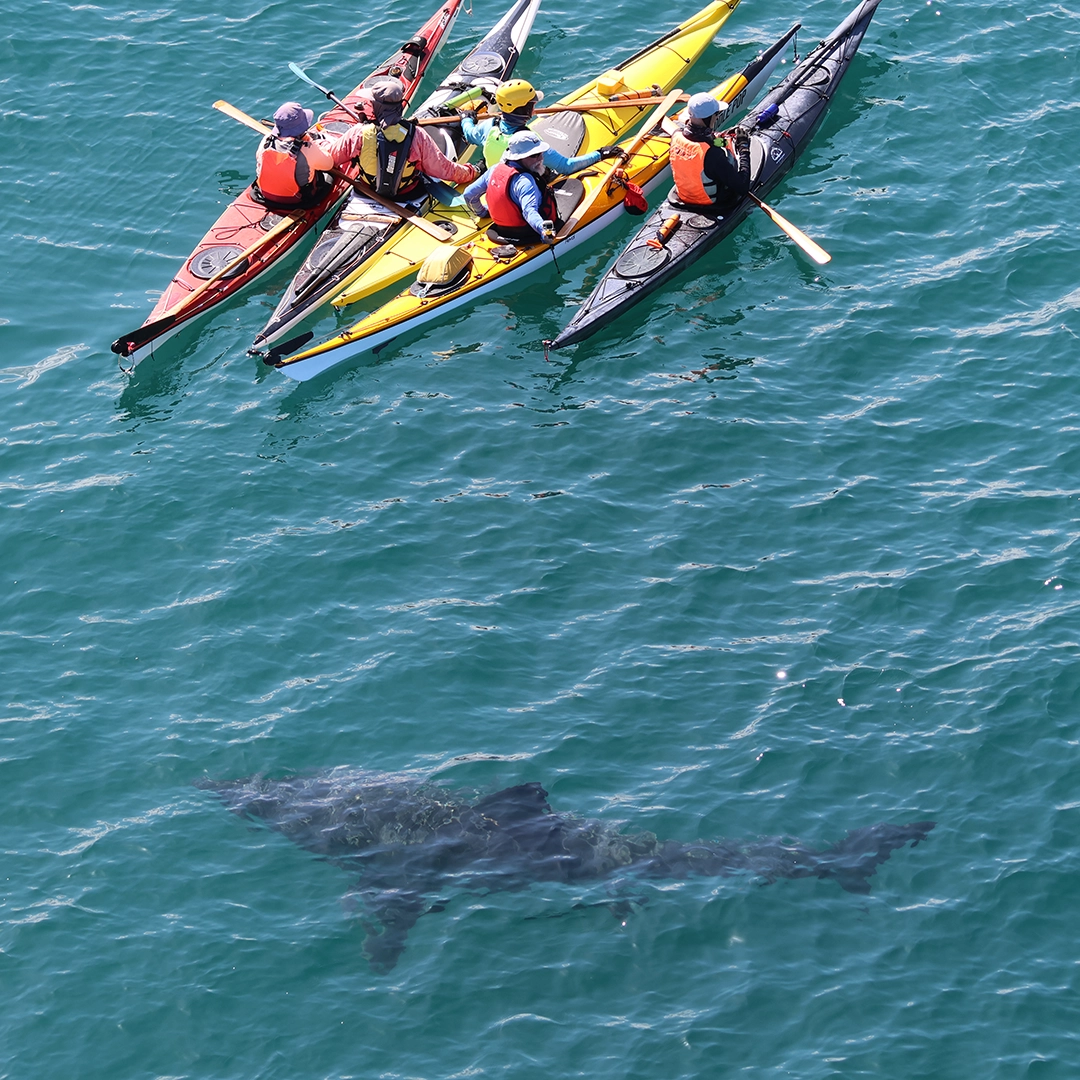
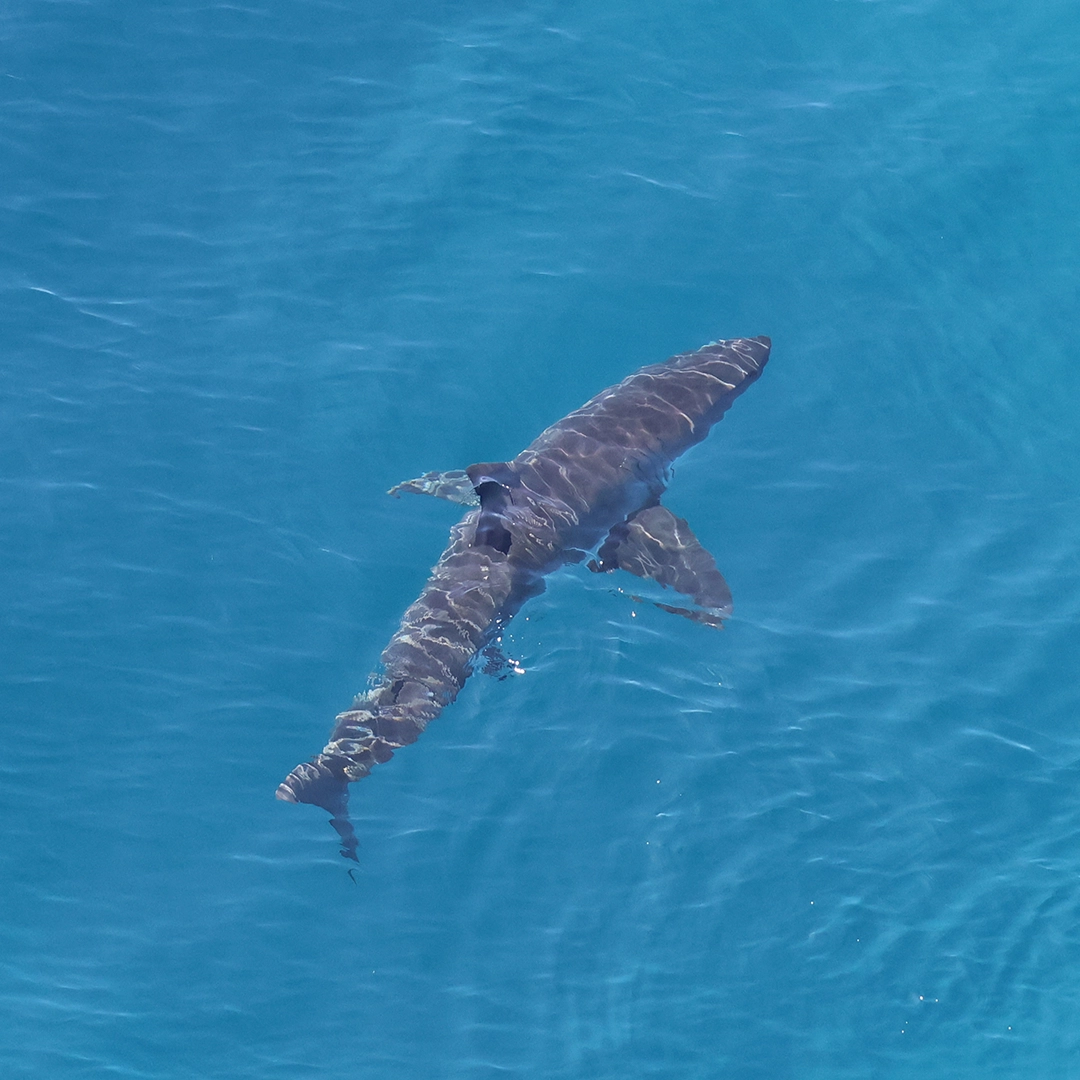
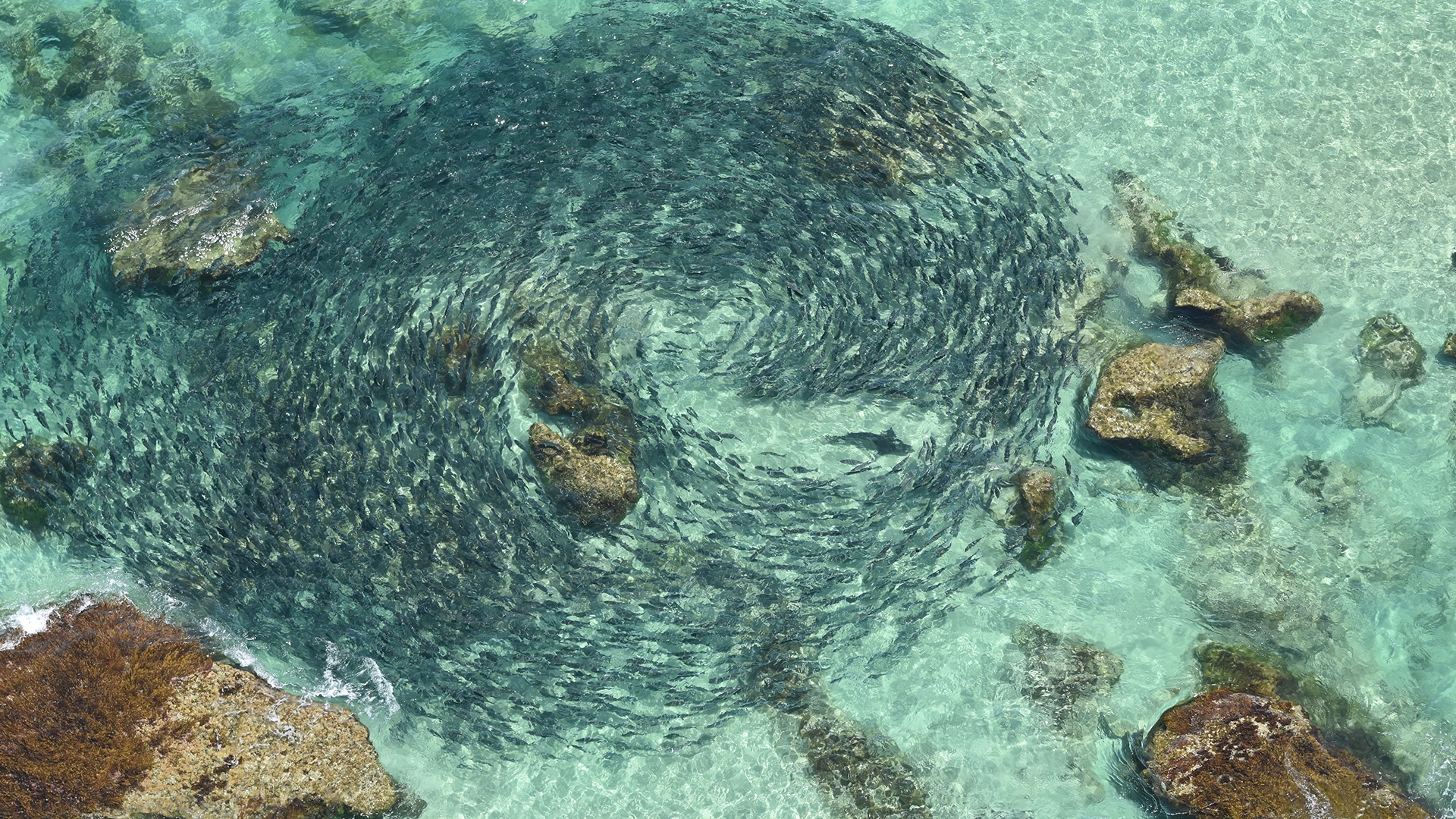
Sharks play an important role in a healthy marine ecosystem, and while the chance of an encounter is very rare, beachgoers need to remember that when they enter the ocean, they are entering the sharks' domain.
Reduce Your Risk
safety tips
The rarity of shark attacks does not take away from the serious nature of an attack when it does occur, nor does the seemingly random nature of attacks help to allay fears about being bitten.
The wide range of shark behaviours, injuries to victims, and circumstances involved with shark attacks suggests that there is no easy single explanation for why sharks very occasionally bite people.
Follow and check the SLSWA X account, SharkSmart website or news for alerts & activity prior to entering the water
Swim close to shore and between the flags at patrolled beaches
Avoid aquatic activity at dusk and dawn
Be sure to swim, dive or surf with others
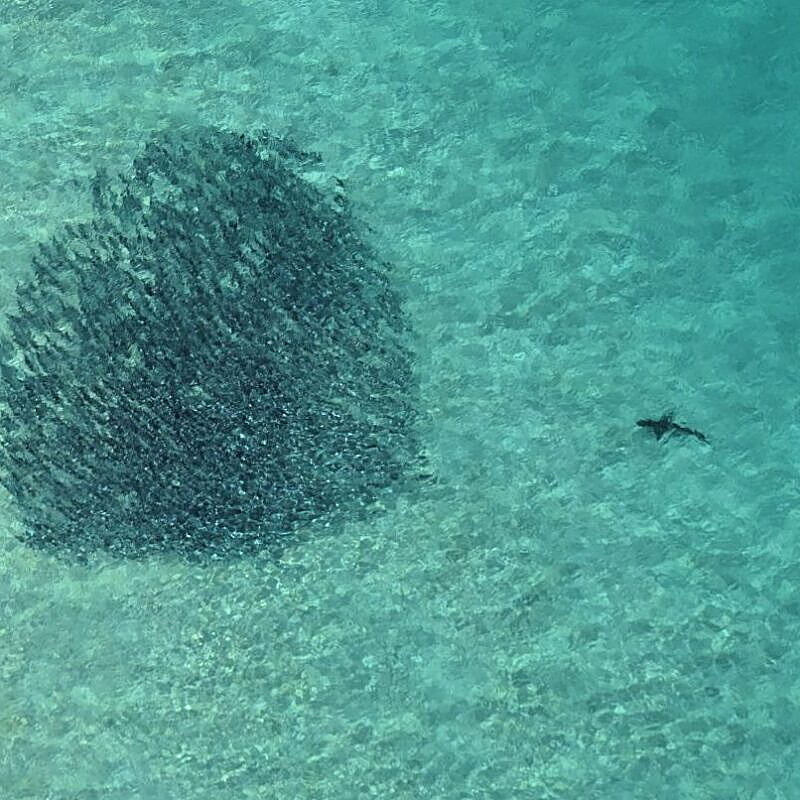
Avoid areas where there are large schools of fish, dolphins, seals, sea lions or bird rookeries
Avoid areas where animal, human or fish waste enters the water
Avoid deep channels or areas with deep drop-offs nearby
Do not remain in the water with bleeding wounds
Look carefully before jumping into the water from a boat or jetty
If spearing fish, don’t carry dead/bleeding fish attached to you and remove speared fish from the water quickly
If schooling fish or other wildlife start to behave erratically or congregate in large numbers, leave the water
If you see a shark, leave the water as quickly and calmly as possible – avoid excessive splashing or noise
Report shark sightings to the Water Police on 08 9442 8600. This number is staffed 24 hours a day, seven days a week. These shark sightings are then reported on public platforms, including on our X account. (opens in a new tab)
Department of Primary Industries & Regional Development (DPIRD) officers and the WA Police, with support from the Department of Parks & Wildlife, Rottnest Island Authority, local government authorities (ranger services) and the frontline of beach safety – Surf Life Saving WA and our clubs – all play their part to help keep swimmers safe.
Surf lifesavers are watching from the beaches, on the water, and in the air, and public officers are ready to respond to sightings and incidents.
In the event of a shark sighting, the following precautions are implemented:
If the shark is larger than three metres and within one kilometre of the shore – close the beach and water 1km either side of the shark location for one hour (two hours if at dawn; for the remainder of the evening if at dusk).
If the shark is 2 – 3 metres in length and/or schooling sharks and within 500 metres of the shore – close the beach and water 1km either side of the shark location for one hour (two hours if at dawn; for the remainder of the evening if at dusk).
If the shark is less than two metres in length – advise the public but maintain normal operations.
Away From the Flags
What to do if you’re swimming at a non-patrolled beach?
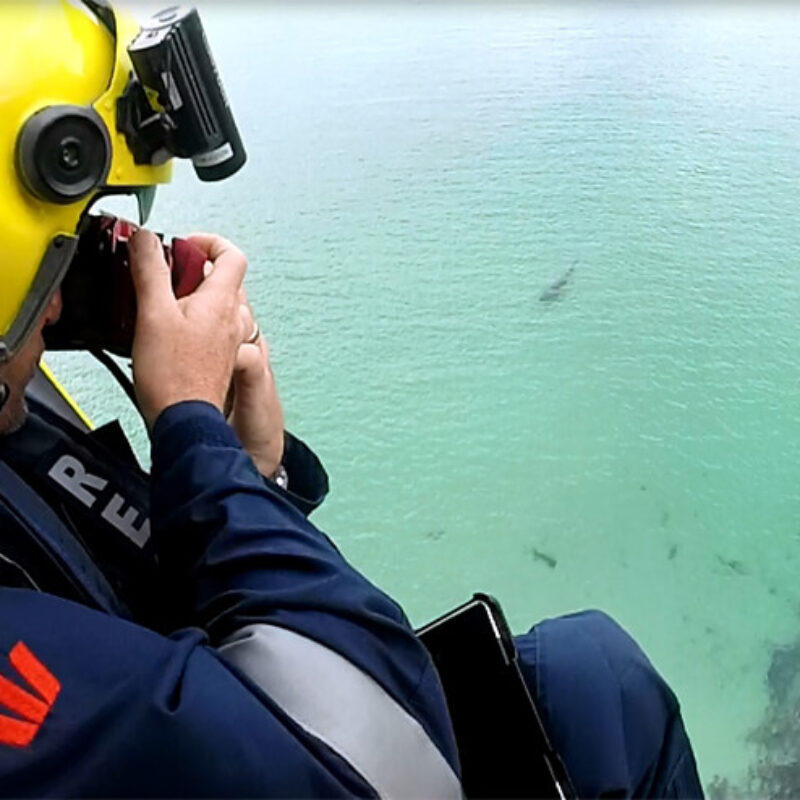
In the event that our Westpac Life Saver Rescue Helicopter should spot a shark, the following actions will occur/should be observed.
The helicopter will hover and sound siren to warn the public out of the water if a shark is in close proximity.
The helicopter will leave the site and continue patrolling after determining water users are safe on the land.
Public to stay out of the water for 60 minutes from siren sounding.
Public to check mobile devices for information updates: